
2026 National Gay Men's HIV AIDS Awareness Day
Meaningful progress has been made over the past decade in improving HIV outcomes among gay, bisexual, and other men who have sex with men (MSM) in New York State, though this progress has not been shared equally. In recognition of National Gay Men's HIV/AIDS Awareness Day, the ETE Dashboard highlights improvements in viral suppression and new diagnoses trends, while also casting a light on the persistent disparities by race and ethnicity.
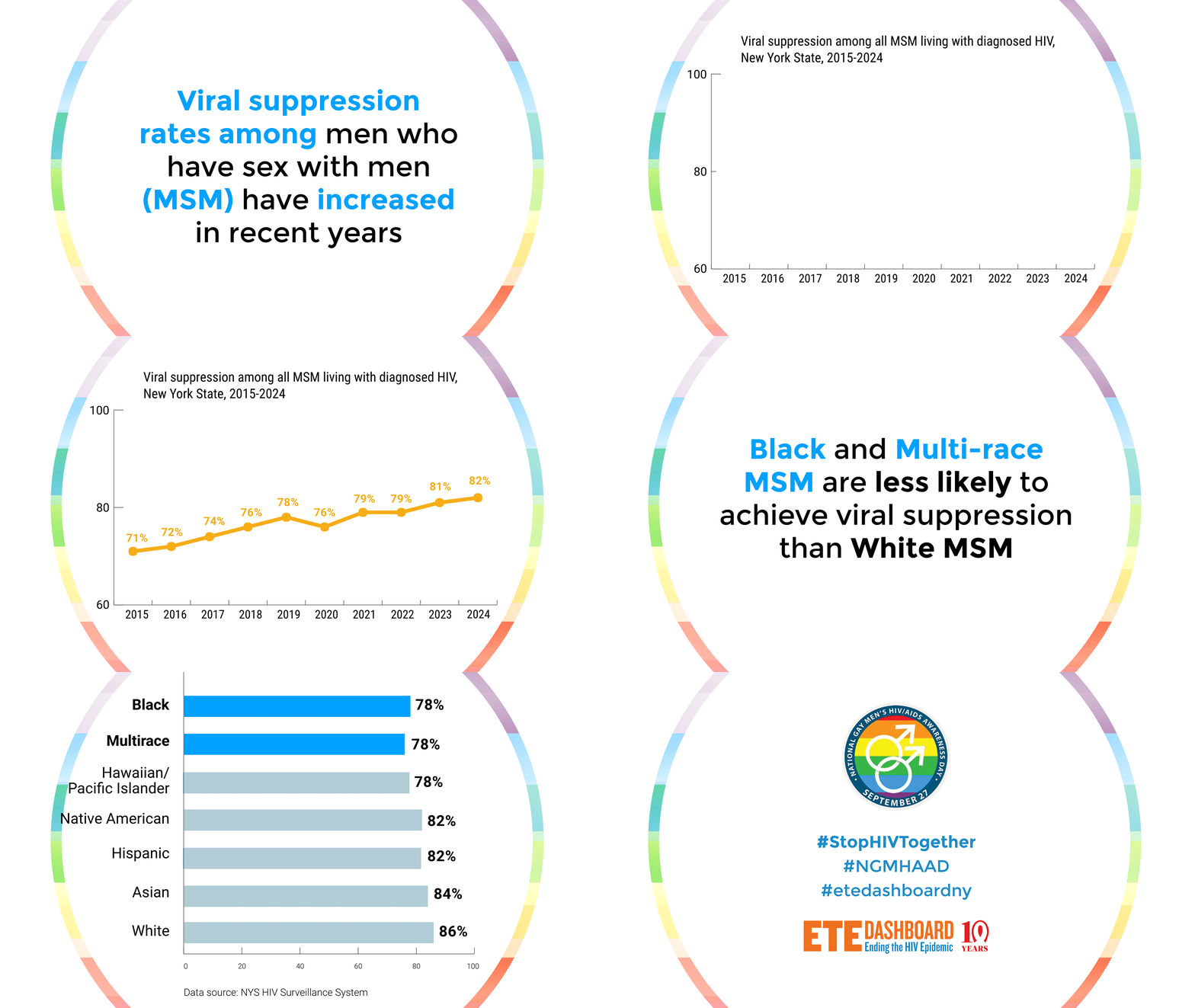
Between 2015 and 2024, viral suppression among MSM living with diagnosed HIV in New York State increased from 71% to 82%. In 2024, White MSM (86%) and Asian MSM (84%) had the highest levels of viral suppression, while Multi-race (76%), Black (78%), and Native Hawaiian/Pacific Islander MSM (78%) were less likely to achieve viral suppression. These gaps between communities have persisted across several decades and underscore the need for continued implementation of programs and policies that address systemic inequities in care and treatment, and social determinants of health, as emphasized in New York State's health equity platform.
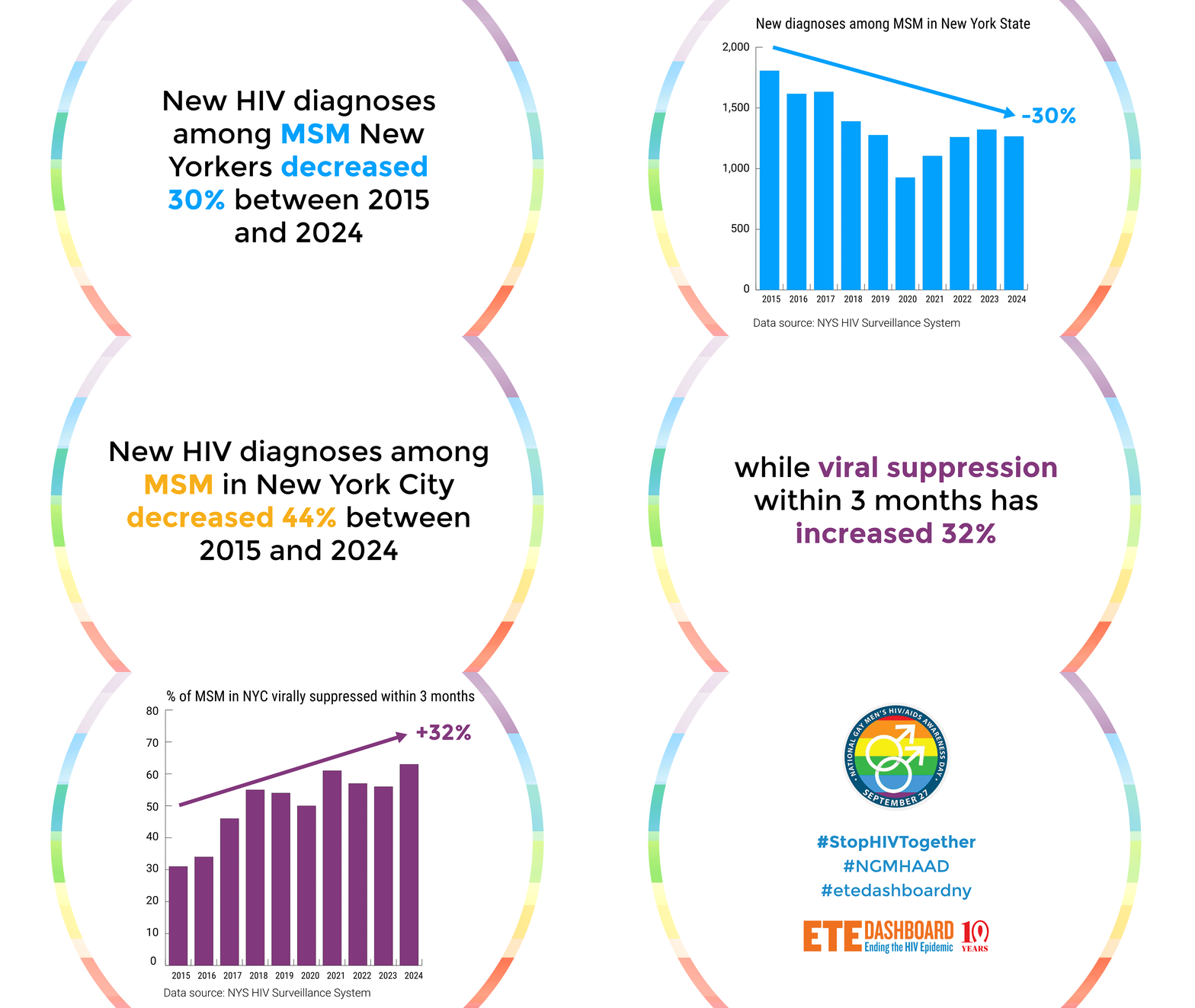
Between 2015 and 2024, new HIV diagnoses among MSM in New York State declined by 30%, from 1,807 to 1,266. The statewide decline has been concentrated in New York City. Between 2015 and 2024, new diagnoses among MSM in New York City fell 44%, from 1,423 to 790, while diagnoses outside of New York City (i.e. Rest of State) were essentially unchanged, moving from 396 to 375.¹ Rest of State diagnoses fell sharply in 2020 but have since returned to near pre-pandemic levels.
Timeliness of treatment has improved in both regions. The share of MSM newly diagnosed who reached viral suppression within three months of diagnosis roughly doubled between 2015 and 2024, from 31% to 63% in New York City, and from 34% to 67% in the rest of the state.¹
The data demonstrate that while there has been overall progress, persistent disparities must continue to be a primary focus to ensure that all MSM living with HIV benefit equitably from technological and biomedical advances in HIV prevention, care, and treatment. Efforts to expand access to testing, improve linkage to care, and address key systemic factors such as social determinants of health, remain critical to achieving the goals of New York State's Ending the Epidemic initiative for all New Yorkers.
Explore more data among MSM, including trends in new HIV diagnoses and care continuum outcomes among people living with diagnosed HIV.
¹ New York City (NYC) data are reported by the NYC Department of Health and Mental Hygiene; Rest of State data are reported by the New York State Department of Health. Because the two surveillance systems differ slightly in reporting procedures, the NYC and Rest of State counts do not sum to the New York State totals shown above.