
2026 National Black HIV/AIDS Awareness Day
Each year on National Black HIV/AIDS Awareness Day, we pause to recognize both the progress made and the persistent inequities that continue to shape the HIV epidemic among Black communities in the United States. Data from the ETE Dashboard highlights this progress in New York State, while also underscoring the urgency of addressing racial disparities that remain deeply entrenched.
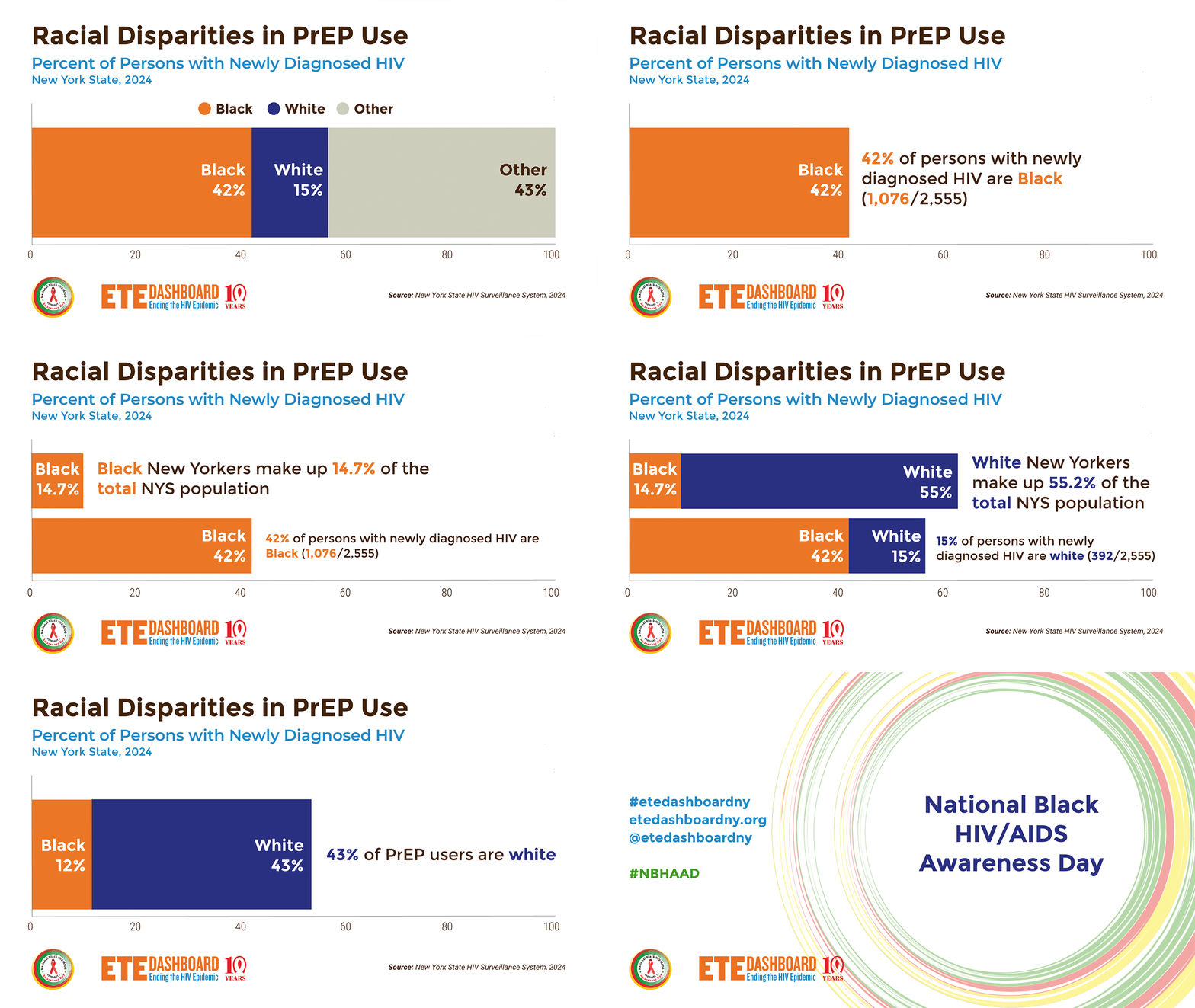
Black New Yorkers continue to be disproportionately impacted by HIV. In 2024, 42% (1,076) of newly diagnosed HIV cases in New York State were among Black individuals, despite Black New Yorkers representing just 14.7% of the total state population. By comparison, White New Yorkers accounted for 15% of new HIV diagnoses while making up 55.2% of the population.
These disparities are mirrored in access to HIV prevention data, where PrEP (pre-exposure prophylaxis)uptake remains uneven. In 2024, only 12% of PrEP users in New York State were Black, compared with 43% who were White. This gap between HIV burden and PrEP utilization highlights missed opportunities and the need for more equitable access to this highly effective HIV prevention medicine.
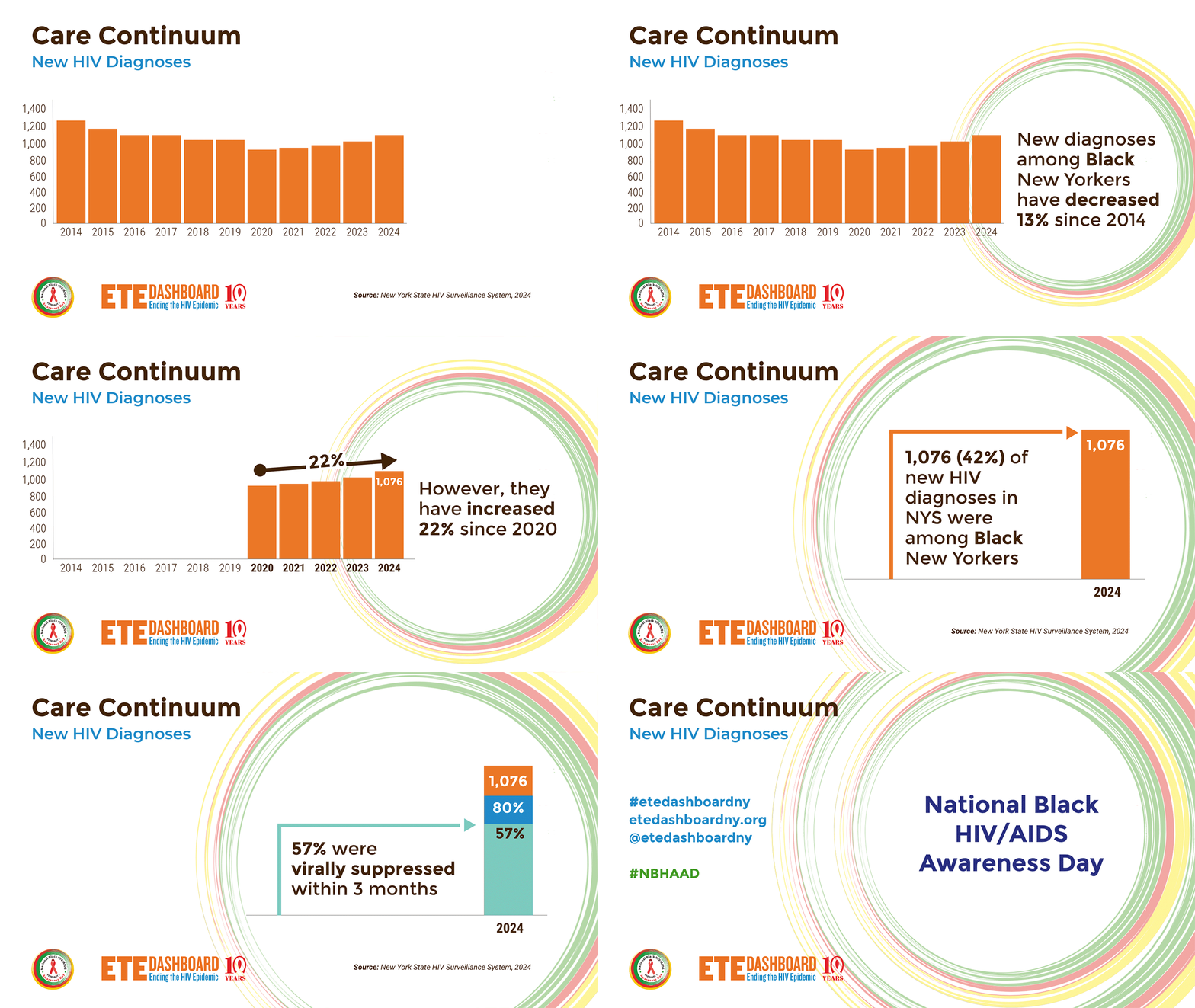
While new HIV diagnoses among Black New Yorkers have declined by 13% since 2014, recent data point to renewed challenges. Since 2020, new diagnoses among Black New Yorkers have increased by 22%, signaling the need for sustained and targeted interventions.
In 2024, 80%of Black individuals newly diagnosed with HIV were linked to care within 30 days of diagnosis, an essential first step toward achieving viral suppression. Additionally, 57%achieved viral suppression within three months of diagnosis, reflecting continued improvements in rapid treatment initiation.
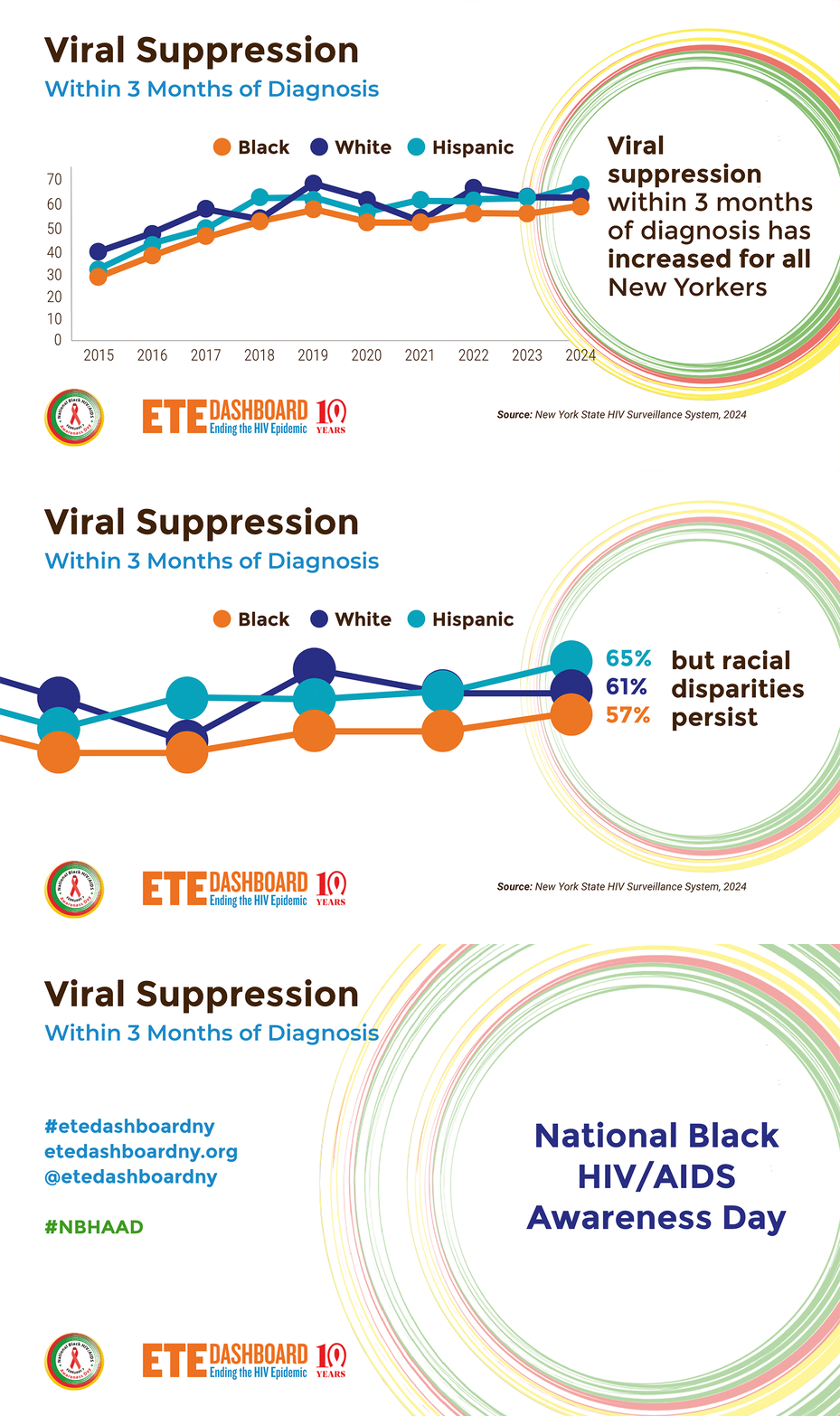
Across New York State, timely viral suppression (within 3 months of diagnosis) has improved for all racial and ethnic groups over the past decade. Among Black New Yorkers, timely viral suppression increased from 29% in 2015 to 57% in 2024. Despite this progress, disparities persist. In 2024, viral suppression reached 61% among White New Yorkers and 65% among Hispanic New Yorkers, compared with 57% among Black New Yorkers.
National Black HIV/AIDS Awareness Day is both a moment of recognition and a call to action. The data show that while progress has been made overall, the persistence of racial disparities in HIV prevention and treatment outcomes makes clear that equity must remain at the center of New York State’s Ending the Epidemic efforts.